For many homeowners, the monthly utility bill feels like an unpredictable tax. Fluctuating temperatures, shifting energy markets, and the inefficiencies of an aging house can create a significant budget drain. Minor changes like lowering the thermostat or turning off lights are helpful but only scratch the surface of savings.
For lasting financial relief, shift your focus from short-term habits to long-term structural investments. By systematically upgrading your home’s major systems, you can alter how your property consumes energy and water. These improvements lower monthly costs, enhance comfort, protect your property, and increase resale value.
Seal the Thermal Envelope with Advanced Siding Insulation
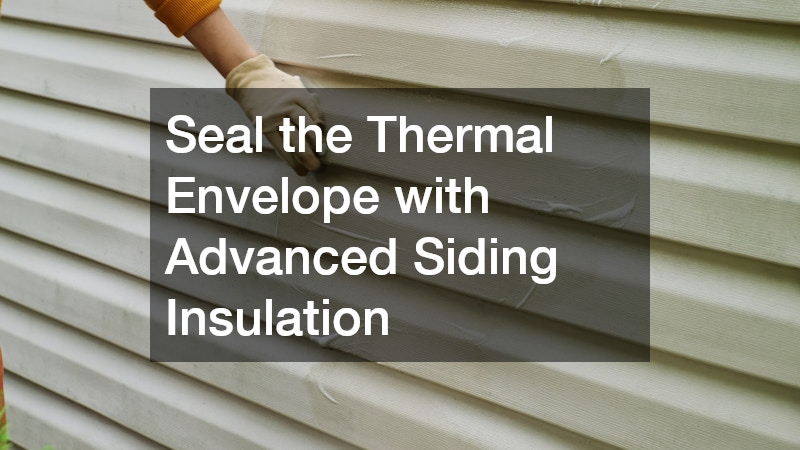
The exterior walls of your home, as the largest surface area, are crucial for temperature control. In many traditional homes, standard cladding minimally stops heat transfer through the solid wall framing, known as thermal bridging. Addressing this from the outside creates an uninterrupted thermal blanket around your living spaces.
- Invest in Insulated Cladding Systems: Traditional vinyl or fiber cement panels sit flat against the house, leaving the gaps between your wall studs vulnerable to outdoor temperatures. Choosing a premium cladding system with factory-laminated, contoured foam backing fills these gaps completely. This delivers a continuous layer of insulation that blocks thermal bridging, effectively raising the overall R-value of your exterior walls by up to twenty-five percent.
- Prioritize High-Performance House Wrap: Before any new exterior material is installed, ensure that a high-density, vapor-permeable weather barrier is wrapped meticulously around the structure. This layer must be taped securely at all seams to prevent wind washing, which occurs when cold air penetrates the siding and cools the interior wall cavities.
- Opt for Low-Maintenance, Durable Materials: Engineered wood or high-grade fiber cement composite materials offer exceptional resistance to warping, cracking, and rot. When these materials maintain their structural integrity over decades, they ensure that the underlying insulation remains completely protected from moisture infiltration, which can ruin its thermal performance.
When planning this level of exterior renovation, partnering with an experienced siding company ensures that the flashing, moisture barriers, and insulated panels are installed to strict manufacturer specifications, protecting your investment for the long haul.
Upgrade to High-Efficiency Variable-Speed Climate Systems
Heating and cooling usually consume over half of a standard home’s energy. Traditional HVAC systems work at full capacity or are off entirely. This cycling causes temperature swings and consumes significant electricity during start-up.
- Transition to Variable-Speed Heat Pumps: Modern air-source heat pumps utilize variable-speed inverter compressors that scale their output up or down in tiny increments. Instead of blasting hot or cold air and then shutting down, they run continuously at a low, ultra-efficient whisper. This maintains a perfectly steady indoor temperature while using a fraction of the power required by single-stage equipment.
- Look for Verified Efficiency Ratings: When selecting new equipment, look closely at the seasonal energy efficiency ratio two and heating seasonal performance factor two ratings. Opting for units that carry the highest certifications ensures that the machinery converts electricity into thermal comfort with maximum mechanical efficiency.
- Implement Smart Zoning Control: Dividing your home into independent thermal zones allows you to condition only the spaces you are actively using. By pairing electronic dampers inside your ductwork with dedicated sensors, you avoid wasting money to heat or cool empty guest rooms or lower levels during the day.
Securing these savings requires precise installation and load calculations tailored specifically to your home’s square footage and layout. Consulting professional HVAC services will guarantee that your new system is sized perfectly, preventing the short-cycling and premature wear that plagues improperly configured units.
Install Reflective Roofing and Cool Roof Technology
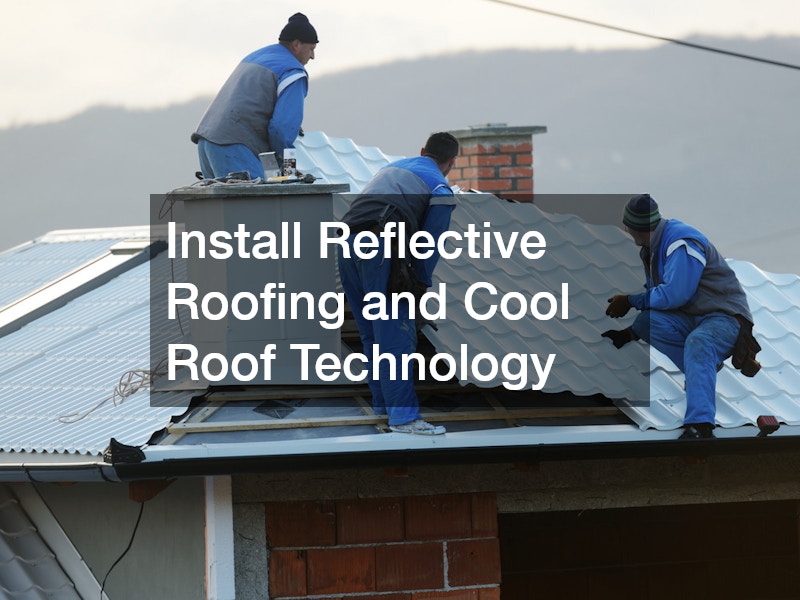
During the peak of summer, a standard dark roof can reach staggering temperatures, absorbing radiant energy and transferring that intense heat directly down into your attic and living spaces. This forces your air conditioning system to work overtime just to keep up with the downward thermal pressure.
- Select Solar-Reflective Shingles: Modern asphalt shingles are available with advanced, embedded granules that act like tiny mirrors. These granules reflect a massive portion of the sun’s infrared rays back into the atmosphere rather than absorbing them into the decking, keeping the roof structure significantly cooler.
- Consider Standing-Seam Metal Roofs: High-performance metal roofing coated with specialized reflective pigments offers some of the highest solar reflectance index ratings on the market. Metal also cools down incredibly fast once the sun sets, preventing the long-term heat retention common with heavy tile or slate.
- Maximize Attic Ventilation Pathways: Reflective materials work best when paired with an active, continuous ventilation system. A balanced combination of continuous soffit vents for intake and a ridge vent for exhaust creates a natural chimney effect. This constant airflow flushes out any residual heat before it can migrate through your ceiling insulation.
To execute this critical upgrade safely and effectively, it is wise to engage qualified roofing services. Experienced professionals can evaluate your current attic ventilation balance and recommend the exact material composition needed to maximize your roof’s thermal performance.
Upgrade to Insulated Overhead Doors and Thermal Barriers
Many homeowners concentrate on their front doors while ignoring the garage, the largest single opening in the home. An uninsulated door on an attached garage creates a pocket of extreme hot or cold air against the shared walls, compromising your home’s thermal boundary.
- Install High-R-Value Sectional Doors: Look for garage doors constructed with a steel exterior and a dense core of injected polyurethane foam insulation. Doors featuring an R-value between twelve and sixteen create an incredibly effective thermal block, keeping the interior of your garage remarkably stable regardless of the outdoor weather.
- Inspect and Replace Perimeter Weatherstripping: The gaps around the top, sides, and bottom of an overhead door can let in an enormous amount of air. Installing heavy-duty, flexible vinyl jamb seals and a thick bottom rubber gasket keeps driving winds and ambient drafts from penetrating the space.
- Deploy Advanced Exterior Window Upgrades: Window treatments utilizing exterior cellular shades, motorized roller shutters, or low-emissivity solar films can cut radiant heat gain by up to eighty percent before it ever touches your window glass, providing an immediate relief to your cooling system.
Properly addressing vulnerable exterior openings requires specialized tools and expertise. Professional garage door services ensure your insulated door operates correctly with optimal spring tension, preventing mechanical failure and safeguarding your home’s perimeter.
Overhaul Your Electrical Panel for Smart Energy Management
The electrical infrastructure of many older homes wasn’t designed for modern high-efficiency appliances, electric vehicle charging, or smart home systems. An outdated electrical panel can cause surges, inefficient power distribution, and difficulty tracking expenses.
- Integrate a Smart Circuit Breaker Panel: Replacing a traditional breaker box with a smart panel gives you granular, real-time visibility into your home’s power consumption. These systems track the exact wattage used by individual circuits, allowing you to identify phantom energy drains, malfunctioning appliances, and behavioral patterns that are driving up your costs.
- Upgrade to a 200-Amp Main Service: Moving to a robust two-hundred-amp service ensures your home has the electrical capacity to handle modern, eco-friendly conversions, such as transitioning from gas infrastructure to ultra-efficient induction cooktops and variable-speed heat pumps.
- Configure Automated Circuit Shedding: Smart electrical systems allow you to program custom parameters that automatically shut off non-essential circuits during peak demand hours, preventing your home from pulling expensive electricity from the grid when rates are at their highest.
Working with high-voltage residential electrical systems involves safety risks and should be handled by certified electrical services. A professional technician can install smart components and ensure your electrical system complies with modern safety codes.
Transition to Whole-Home LED and Automation Frameworks

Lighting still represents a noticeable chunk of the average monthly electric bill, particularly if your home relies on older incandescent or halogen technology, which wastes roughly ninety percent of its energy as pure heat.
- Install Integrated LED Fixtures: Rather than simply screwing LED bulbs into old fixtures, installing integrated LED luminaires ensures maximum operational lifespan and optical efficiency. These fixtures are engineered to dissipate heat perfectly, allowing the diodes to operate at peak efficiency for decades without degrading.
- Deploy Smart Motion and Occupancy Sensors: In spaces where lights are frequently left on by accident, such as walk-in pantries, laundry rooms, basements, and closets, occupancy sensors provide a foolproof solution. They automatically cut power the moment a room is vacated, ensuring you never pay for empty illumination.
- Program Custom Daylight Harvesting Scenes: Utilizing smart dimmers tied to ambient light sensors allows your indoor lights to adjust automatically based on the amount of natural sunlight entering the room. On bright days, your fixtures dim down to a fraction of their output, saving energy seamlessly in the background.
Transition to Demand-Based and Hybrid Water Heating
Water heating is usually the second-largest energy expense in a home. Standard storage tank water heaters heat and reheat dozens of gallons continuously, even when not in use, leading to constant energy loss.
- Install Hybrid Heat Pump Water Heaters: These units pull ambient heat from the surrounding air and transfer it into the water tank, operating up to three times more efficiently than standard electric water heaters. Over the course of a year, this technology can save a typical family hundreds of dollars in electricity costs alone.
- Consider On-Demand Tankless Systems: For homes with high, simultaneous water demands, a gas-fired tankless system eliminates standby energy loss entirely. These units remain completely idle until a hot water tap is opened, heating the water instantly via a high-capacity heat exchanger only as long as the tap runs.
- Insulate Exposed Distribution Lines: Wrap all accessible hot water pipes in dense foam sleeve insulation. This simple upgrade reduces standby thermal loss as the water travels from the heating source to your fixtures, allowing you to lower the temperature setting on your actual water heater without sacrificing comfort at the tap.
Determining whether a hybrid tank or a tankless system is ideal for your home’s footprint requires a detailed analysis of your daily water use patterns. Entrusting this assessment to a certified water heater service will ensure that your new unit is configured correctly for maximum utility savings.
Implement Low-Flow Infrastructure and Hydro-Scouring Maintenance
Conserving water is a two-fold victory for your wallet: it simultaneously drops your volumetric water consumption charges and reduces the energy costs required to heat that water. However, optimizing your plumbing framework requires looking deeper than just superficial fixtures.
- Incorporate High-Velocity Low-Flow Aerators: Modern low-flow showerheads and faucet aerators mix air directly into the water stream. This maintains a strong, satisfying sense of water pressure while cutting the actual volume of water used by up to thirty percent.
- Upgrade to Dual-Flush Smart Toilets: Older toilets can use up to seven gallons of water per flush. Moving to high-efficiency dual-flush models certified by performance standards reduces this to less than 1.3 gallons, saving thousands of gallons of water annually per family member.
- Clear Internal Pipeline Restrictions: Over time, the inside of your drain lines can accumulate grease, scale, and biofilm. This buildup narrows the effective diameter of your pipes, causing sluggish drainage that forces your household to run water longer just to rinse soap and debris out of sinks and tubs.
To get your entire plumbing system operating at peak hydraulic efficiency, it is best to schedules comprehensive plumbing services. These experts can perform pressure tests to uncover hidden, money-wasting leaks behind walls and utilize professional drain cleaning services to clear out internal pipe restrictions, restoring your home’s plumbing to optimal baseline performance.
Integrate Sustainability Into Your Next Wet-Area Remodel
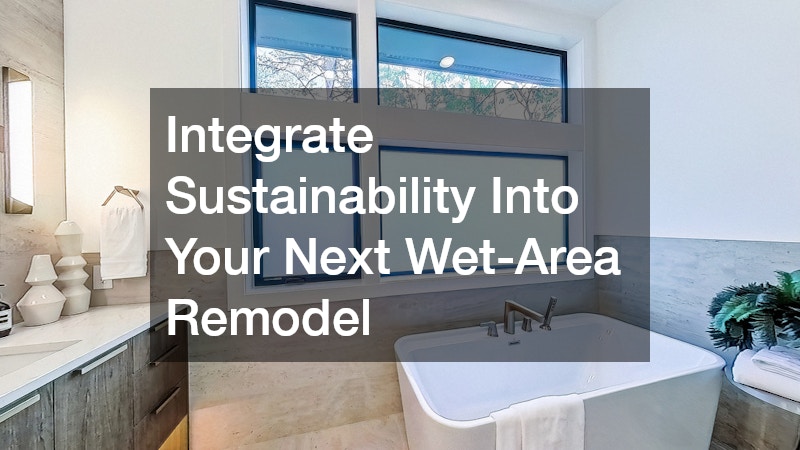
The bathroom is the single most resource-intensive room in your entire home, making it the perfect target for a focused, eco-friendly structural renovation. When you plan a layout change or an aesthetic refresh for this space, you have a prime opportunity to build efficiency directly into the room’s infrastructure.
- Specify Advanced WaterSense Certified Fixtures: Ensure that every single valve, showerhead, and faucet integrated into your layout carries verified conservation certifications. These fixtures undergo rigorous testing to prove they save water without sacrificing user experience or functional performance.
- Install Programmed Ventilation Timers: Standard bathroom exhaust fans are often left running for hours, which pulls conditioned indoor air out of your home and dumps it outside. Replacing standard toggle switches with electronic countdown timers or humidity-sensing switches ensures the fan runs only long enough to clear moisture, stopping expensive energy loss.
- Incorporate Sub-Floor Thermal Barriers: If your renovation involves tearing up the floor down to the subfloor, take the opportunity to install high-density insulation beneath the surface. This prevents the bathroom floor from becoming a heat sink, keeping the entire room warmer in the winter without forcing you to crank up the central heating.
By embedding these sustainability concepts directly into your initial bathroom renovation plan, you can ensure that your remodeling budget delivers long-term utility dividends alongside beautiful aesthetics.
Creating an efficient home requires moving past superficial fixes and committing to structural improvements. Upgrading siding, climate systems, roofing, electrical distribution, and plumbing networks defends against rising energy costs. Although these upgrades require upfront investment, the long-term savings on utility bills will repay your expenditure. You will enjoy a home that is structurally sound, maintains stable temperatures, and requires minimal maintenance.